The Grind 75 Practice Pathway — Practice Every Problem with AI Mock Interviews
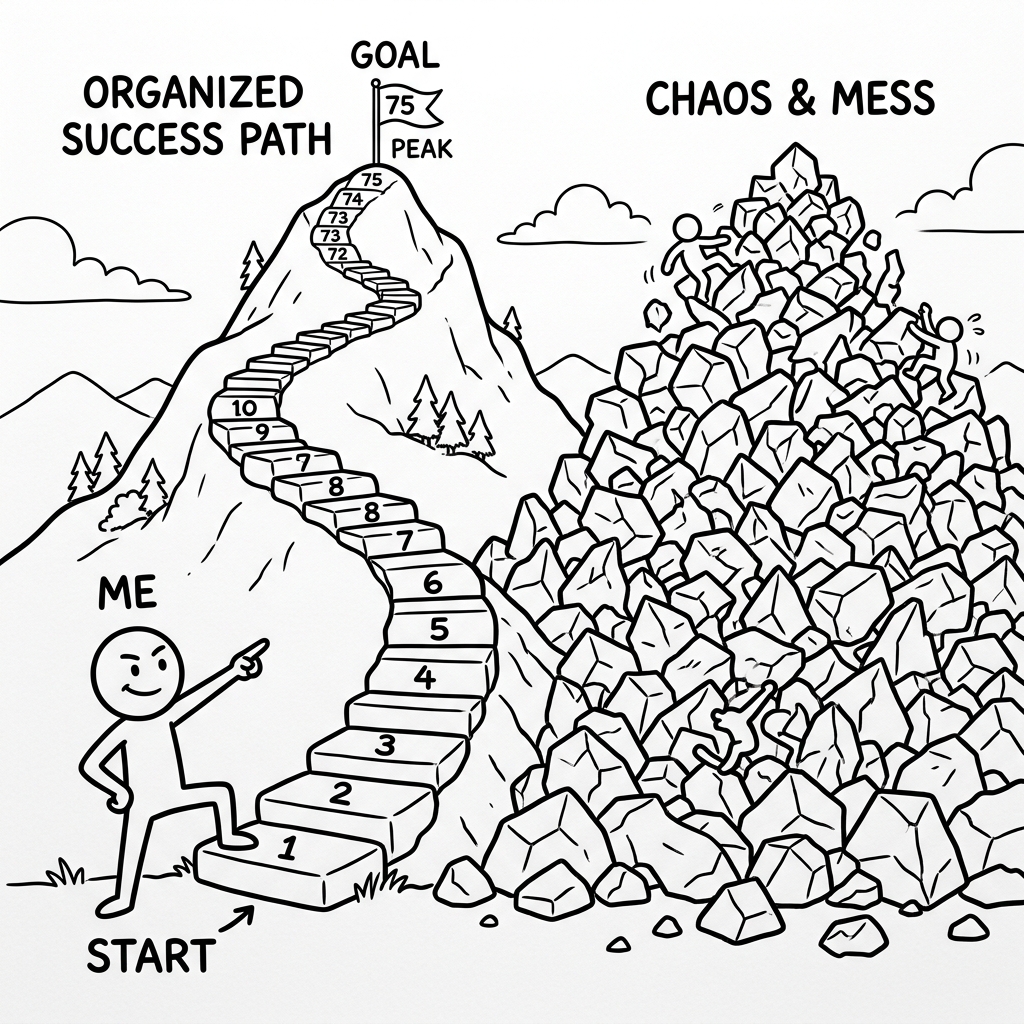
The Grind 75 is widely considered one of the most efficient study plans for coding interviews. Created by Yangshun Tay (author of the Blind 75), it ranks 75 problems by usefulness and organizes them into a week-by-week schedule so you build skills systematically rather than randomly.
At Intervu, we believe that solving the problem is only half the battle. In a real interview, you need to communicate your thought process, handle hints under pressure, and write clean code while speaking. That’s why we’ve integrated the Grind 75 list directly into our platform. For a complete preparation strategy that goes beyond problem-solving, see our Complete Coding Interview Preparation Guide.
Click “Practice →” next to any problem to launch an AI mock coding interview for that specific problem instantly on Intervu.dev.
Want more coverage? The Grind 169 expands this list with 94 additional problems and a 10-week study plan — see the full problem table organized by topic.
How to Use This Pathway
- Follow the order. The problems are sequenced to build on each other. Don’t skip ahead.
- Time yourself. Easy ~15 min, Medium ~25 min, Hard ~40 min.
- Speak out loud. Use Intervu’s AI interviewer to practice explaining your approach. Silent solving is only half the practice.
- Iterate. If you can’t solve it in time, read the solution, then come back and explain the optimal approach to the AI. Articulation is a skill.
- Spaced repetition. Revisit problems you struggled with after a few days. Recognition ≠ mastery.
Week 1: Fundamentals (13 problems)
The first week focuses on the most common patterns: Hash Map, Two Pointers, Stack, and basic Tree/Graph traversal.
| Problem | Difficulty | Topics | Practice on Intervu.dev |
|---|---|---|---|
| Two Sum | Easy | Array, Hash Table | Walkthrough · Practice → |
| Valid Parentheses | Easy | Stack | Walkthrough · Practice on Intervu.dev → |
| Merge Two Sorted Lists | Easy | Linked List | Walkthrough · Practice on Intervu.dev → |
| Best Time to Buy and Sell Stock | Easy | Array, DP | Walkthrough · Practice → |
| Valid Palindrome | Easy | String, Two Pointers | Walkthrough · Practice on Intervu.dev → |
| Invert Binary Tree | Easy | Tree, DFS | Walkthrough · Practice on Intervu.dev → |
| Valid Anagram | Easy | Hash Table | Walkthrough · Practice on Intervu.dev → |
| Binary Search | Easy | Binary Search | Walkthrough · Practice → |
| Flood Fill | Easy | Graph, DFS/BFS | Walkthrough · Practice on Intervu.dev → |
| Lowest Common Ancestor of a BST | Easy | Tree, DFS | Walkthrough · Practice on Intervu.dev → |
| Balanced Binary Tree | Easy | Tree, DFS | Walkthrough · Practice on Intervu.dev → |
| Linked List Cycle | Easy | Linked List | Walkthrough · Practice on Intervu.dev → |
| Implement Queue using Stacks | Easy | Stack | Walkthrough · Practice on Intervu.dev → |
Week 2: Data Structures Deep Dive (12 problems)
This week introduces more complex data structure operations and foundational dynamic programming. If you’re using Python, the Python Data Structures Companion has ready-made templates for every structure below.
| Problem | Difficulty | Topics | Practice on Intervu.dev |
|---|---|---|---|
| First Bad Version | Easy | Binary Search | Walkthrough · Practice on Intervu.dev → |
| Ransom Note | Easy | Hash Table | Walkthrough · Practice on Intervu.dev → |
| Climbing Stairs | Easy | DP | Walkthrough · Practice → |
| Longest Palindrome | Easy | Hash Table | Walkthrough · Practice on Intervu.dev → |
| Reverse Linked List | Easy | Linked List | Walkthrough · Practice on Intervu.dev → |
| Majority Element | Easy | Array | Walkthrough · Practice on Intervu.dev → |
| Add Binary | Easy | String, Math | Walkthrough · Practice on Intervu.dev → |
| Diameter of Binary Tree | Easy | Tree, DFS | Walkthrough · Practice on Intervu.dev → |
| Middle of the Linked List | Easy | Linked List | Walkthrough · Practice on Intervu.dev → |
| Maximum Depth of Binary Tree | Easy | Tree, DFS | Walkthrough · Practice on Intervu.dev → |
| Contains Duplicate | Easy | Array, Hash Table | Walkthrough · Practice on Intervu.dev → |
| Maximum Subarray | Medium | Array, DP | Walkthrough · Practice on Intervu.dev → |
Week 3: Intermediate Patterns (8 problems)
Intervals, sliding window, and multi-pointer techniques. These patterns appear constantly in real interviews.
| Problem | Difficulty | Topics | Practice on Intervu.dev |
|---|---|---|---|
| Insert Interval | Medium | Array, Sorting | Walkthrough · Practice on Intervu.dev → |
| 01 Matrix | Medium | Graph, BFS | Walkthrough · Practice on Intervu.dev → |
| K Closest Points to Origin | Medium | Heap, Sorting | Walkthrough · Practice on Intervu.dev → |
| Longest Substring Without Repeating Characters | Medium | Sliding Window | Walkthrough · Practice → |
| 3Sum | Medium | Array, Two Pointers | Walkthrough · Practice on Intervu.dev → |
| Binary Tree Level Order Traversal | Medium | Tree, BFS | Walkthrough · Practice → |
| Clone Graph | Medium | Graph, DFS/BFS | Walkthrough · Practice on Intervu.dev → |
| Evaluate Reverse Polish Notation | Medium | Stack | Walkthrough · Practice on Intervu.dev → |
Week 4: Trees, DP & Tries (8 problems)
Deeper tree traversals, classic DP problems, and your first Trie problem.
| Problem | Difficulty | Topics | Practice on Intervu.dev |
|---|---|---|---|
| Course Schedule | Medium | Graph, Topological Sort | Walkthrough · Practice → |
| Implement Trie (Prefix Tree) | Medium | Trie | Walkthrough |
| Coin Change | Medium | DP | Walkthrough · Practice on Intervu.dev → |
| Product of Array Except Self | Medium | Array | Walkthrough · Practice on Intervu.dev → |
| Min Stack | Easy | Stack | Walkthrough · Practice on Intervu.dev → |
| Validate Binary Search Tree | Medium | Tree, DFS | Walkthrough · Practice on Intervu.dev → |
| Number of Islands | Medium | Graph, DFS/BFS | Walkthrough · Practice on Intervu.dev → |
| Rotting Oranges | Medium | Graph, BFS | Walkthrough · Practice on Intervu.dev → |
Week 5: Backtracking & Advanced Graphs (9 problems)
Backtracking is one of the most interview-tested patterns. This week also covers advanced graph algorithms.
| Problem | Difficulty | Topics | Practice on Intervu.dev |
|---|---|---|---|
| Search in Rotated Sorted Array | Medium | Binary Search | Walkthrough · Practice on Intervu.dev → |
| Combination Sum | Medium | Backtracking | Walkthrough · Practice on Intervu.dev → |
| Permutations | Medium | Backtracking | Walkthrough · Practice on Intervu.dev → |
| Merge Intervals | Medium | Array, Sorting | Walkthrough · Practice → |
| Lowest Common Ancestor of a Binary Tree | Medium | Tree, DFS | Walkthrough · Practice on Intervu.dev → |
| Time Based Key-Value Store | Medium | Binary Search, Hash Map | Walkthrough · Practice on Intervu.dev → |
| Accounts Merge | Medium | Graph, Union Find | Walkthrough · Practice on Intervu.dev → |
| Sort Colors | Medium | Array, Two Pointers | Walkthrough · Practice on Intervu.dev → |
| Meeting Rooms | Easy | Array, Sorting | Walkthrough · Practice on Intervu.dev → |
Week 6: Dynamic Programming & Strings (9 problems)
Classic DP and string manipulation problems that appear in almost every interview loop.
| Problem | Difficulty | Topics | Practice on Intervu.dev |
|---|---|---|---|
| Word Break | Medium | DP, Trie | Walkthrough · Practice on Intervu.dev → |
| Partition Equal Subset Sum | Medium | DP | Walkthrough · Practice on Intervu.dev → |
| String to Integer (atoi) | Medium | String | Walkthrough · Practice on Intervu.dev → |
| Spiral Matrix | Medium | Array, Matrix | Walkthrough · Practice on Intervu.dev → |
| Subsets | Medium | Backtracking | Walkthrough · Practice on Intervu.dev → |
| Binary Tree Right Side View | Medium | Tree, BFS | Walkthrough · Practice on Intervu.dev → |
| Longest Palindromic Substring | Medium | DP, String | Walkthrough · Practice on Intervu.dev → |
| Unique Paths | Medium | DP | Walkthrough · Practice on Intervu.dev → |
| Construct Binary Tree from Preorder and Inorder Traversal | Medium | Tree, DFS | Walkthrough · Practice on Intervu.dev → |
Week 7: Hard Problems Begin (6 problems)
You’ve built the foundation. Now apply it to harder, multi-step problems.
| Problem | Difficulty | Topics | Practice on Intervu.dev |
|---|---|---|---|
| Container With Most Water | Medium | Array, Two Pointers | Walkthrough · Practice on Intervu.dev → |
| Letter Combinations of a Phone Number | Medium | Backtracking | Walkthrough · Practice on Intervu.dev → |
| Word Search | Medium | Backtracking, DFS | Walkthrough · Practice on Intervu.dev → |
| Find All Anagrams in a String | Medium | Sliding Window | Walkthrough · Practice on Intervu.dev → |
| Minimum Height Trees | Medium | Graph, BFS | Walkthrough · Practice on Intervu.dev → |
| Task Scheduler | Medium | Heap, Greedy | Walkthrough · Practice on Intervu.dev → |
Week 8: Hard & Advanced (11 problems)
The final stretch. These problems require combining multiple patterns and are common at top-tier companies.
| Problem | Difficulty | Topics | Practice on Intervu.dev |
|---|---|---|---|
| LRU Cache | Medium | Design, Hash Map, Linked List | Walkthrough · Practice on Intervu.dev → |
| Kth Smallest Element in a BST | Medium | Tree, DFS | Walkthrough · Practice on Intervu.dev → |
| Minimum Window Substring | Hard | Sliding Window | Walkthrough · Practice on Intervu.dev → |
| Serialize and Deserialize Binary Tree | Hard | Tree, DFS/BFS | Walkthrough · Practice on Intervu.dev → |
| Trapping Rain Water | Hard | Array, Two Pointers, DP | Walkthrough · Practice on Intervu.dev → |
| Find Median from Data Stream | Hard | Heap, Design | Walkthrough · Practice on Intervu.dev → |
| Word Ladder | Hard | Graph, BFS | Walkthrough · Practice on Intervu.dev → |
| Basic Calculator | Hard | Stack, String | Walkthrough · Practice on Intervu.dev → |
| Maximum Profit in Job Scheduling | Hard | DP, Binary Search | Walkthrough · Practice on Intervu.dev → |
| Merge K Sorted Lists | Hard | Heap, Linked List | Walkthrough · Practice on Intervu.dev → |
| Largest Rectangle in Histogram | Hard | Stack | Walkthrough · Practice on Intervu.dev → |
Frequently Asked Questions
How were these problems selected and ranked?
The Grind 75 was created by Yangshun Tay using a scoring algorithm that weighs problem frequency in real interviews, recency of reports, and coverage across different topics. It’s designed to maximize your return on time invested.
Why do it in order?
Each week builds on the previous one. Week 1 problems teach patterns (hash maps, two pointers) that you’ll apply in Week 3 and beyond. Doing them out of order means you’ll hit harder problems without the mental models to solve them.
What if I can’t solve a problem in the recommended time?
That’s normal. If you’re stuck:
- Look at the problem’s hints (if available on LeetCode).
- Read the solution approach, not the code, just the idea.
- Come back to Intervu and explain the optimal solution to the AI interviewer. This is often more valuable than solving it yourself.
What’s the difference between Grind 75 and Blind 75?
Blind 75 is a static list. Grind 75 is dynamic. It’s updated based on interview frequency data and can be customized by time available, difficulty, and topic. Grind 75 also has a companion “Grind 169” for more comprehensive coverage. If you want the full 169, see our step-by-step Grind 169 study plan.
How does Intervu help compared to just solving on LeetCode?
LeetCode tests whether you can write correct code. Intervu tests whether you can communicate while writing correct code, which is what real interviews actually evaluate. The AI interviewer asks clarifying questions, gives hints when you’re stuck, and evaluates your explanation, not just your solution.
See also: How to Prepare for a Coding Interview — The Complete Guide · Why LeetCode is Not Enough · FAANG Coding Interview Guide 2026 · How to Use Intervu.dev with Grind 169
Read it on Medium.